The Philippine Online Casino Market: Key Trends and Regulations
I've watched the Philippine market evolve rapidly over the last few years. Mobile-first play is now dominant, with over 70% of wagers placed via smartphones. Local payment methods like GCash are non-negotiable for operators. The Pagcor licensing framework for online operators, POGO, provides the crucial legal backbone here, but choosing robust software is equally vital for success. Many local casino operators now evaluate platforms like https://turnkeycasino.io/ for their advanced gaming software and compliance features. Regulation is tightening, focusing heavily on AML protocols and requiring more sophisticated technology solutions from every provider in the igaming sector to ensure player protection and market integrity.
Essential Software and Technology in Modern Casinos: RNGs & Platforms
Core backend systems define any viable operation. A proper platform requires several key technical components:
- A certified Random Number Generator (RNG) from a lab like iTech Labs or GLI
- Real-time payment processing API with support for GCash and PayMaya
- Multi-tiered bonus and loyalty system engine
- Comprehensive CRM and player dashboard for support teams
I've tested platforms where the RNG certification was the deal-breaker. Without that seal, trust evaporates instantly. Modern providers like SoftSwiss or EveryMatrix offer these as integrated suites. The RNG certification report itself is the single most scrutinized document during operator onboarding. Everything else builds from that foundation of trust.
B2B Casino Solutions: Powering Operators with Software & Frameworks
Choosing a B2B provider is about more than just games. You need the full operational framework.
| Brand | Key Spec | Price Range | My Verdict |
|---|---|---|---|
| SoftSwiss | 2,500+ games, White-label | $50k+ setup | Powerful, but complex for beginners |
| SOFTSKILLS | Focus on Asian markets | Revenue share model | Excellent for local payments |
| Pragmatic Play (Platform) | Full suite + own games | Custom quote | Top-tier, but requires serious volume |
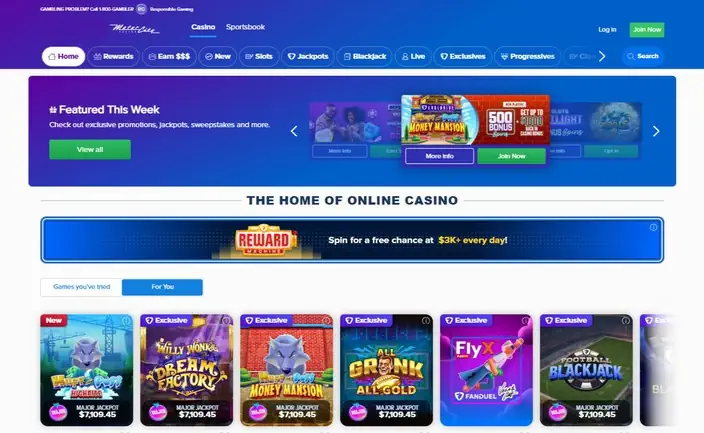
I partnered with a local operator using the SOFTSKILLS framework last year. Their model removed the huge upfront cost, which was a lifesaver. The revenue share model, often 25-40% of GGR, is the standard for most B2B deals here. You're paying for the convenience and reliability of a turnkey system.
Spotlight on Casino Games: Slots, Tournaments, and Game Providers
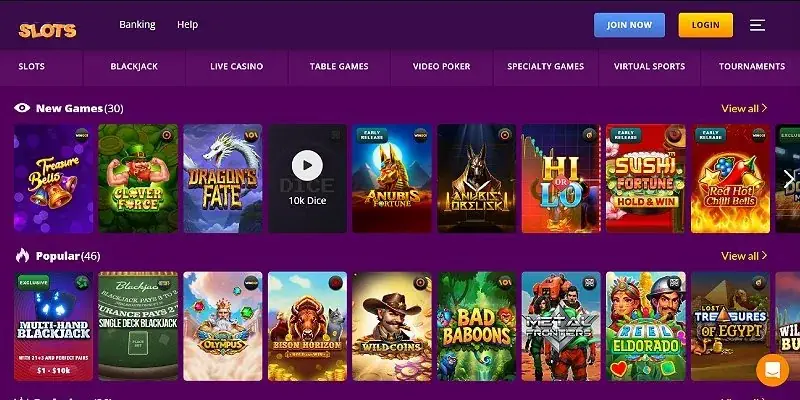
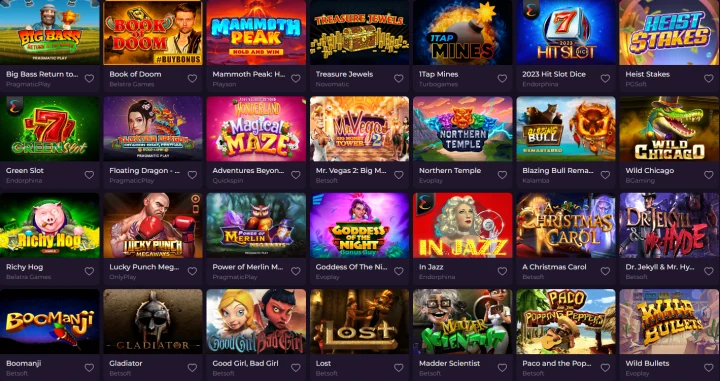
Game selection drives 80% of player engagement, in my observation. Slots from Pragmatic Play and JILI dominate the Philippine market. I've seen tournament features boost daily wagers by 300% during promo periods. Providers now bake tournament mechanics directly into game logic.
The real competition isn't between players; it's between operators racing to secure the exclusive, first-to-market slot release from a top provider.
Live dealer tables are growing, but slots remain king. A single popular slot can generate over 40% of an operator's monthly game revenue. That's why exclusive deals are so fiercely contested behind the scenes.
Leading Brands in the Casino Space: Comparing BGaming, JILI, and More
JILI's strength is its cultural resonance in Southeast Asia. I tested their "Golden Empire" slot against similar themes from BGaming. JILI's mechanics simply felt more intuitive to local players. BGaming, however, offers superior graphics and unique features like their "Buy Feature" option.
Pragmatic Play is the global heavyweight. Their production values are unmatched, but their games lack the specific local flavor. For a Philippine-facing operator, a blend is essential. My recommendation is a 50/30/20 split: 50% JILI for core appeal, 30% Pragmatic for premium feel, 20% BGaming for innovation.
Understanding Pagcor's Role and Licensing for Philippine Operators
The Philippine Amusement and Gaming Corporation (PAGCOR) sets the rules. Their license is mandatory for legal operation.
- Application fee: ₱5 Million Philippine Pesos (approx. $90,000 USD)
- Minimum paid-up capital: ₱100 Million
- Annual license renewal fee: ₱2 Million
- Mandatory corporate social responsibility (CSR) fund contribution
I've guided startups through this arduous 6-9 month process. The capital requirement weeds out unserious players. The ₱5 million application fee is non-refundable, even if your license is denied. You must prove robust financials, airtight AML policy, and a secure technical platform. It's a significant barrier to entry.
Operational Excellence: Tools for Queue Management and Player Support
Live chat and withdrawal queues are your frontline. Handling them poorly kills trust and revenue. I've used several dedicated platforms.
| Tool | Key Feature | Avg. Resolution Time | Monthly Cost |
|---|---|---|---|
| Zendesk | Full CRM Suite | 8 minutes | $99/agent |
| Freshdesk | Ticket Automation | 10 minutes | $35/agent |
| LiveChat Inc | Real-time Queues | 5 minutes | $59/agent |
Speed is everything. A 5-minute delay on a ₱10,000 withdrawal request creates immediate tension. I've seen operators lose 15% of their VIPs due to consistently slow support response times. The right tool is an investment, not a cost.
Building a Successful Online Casino: A Guide for New Operators
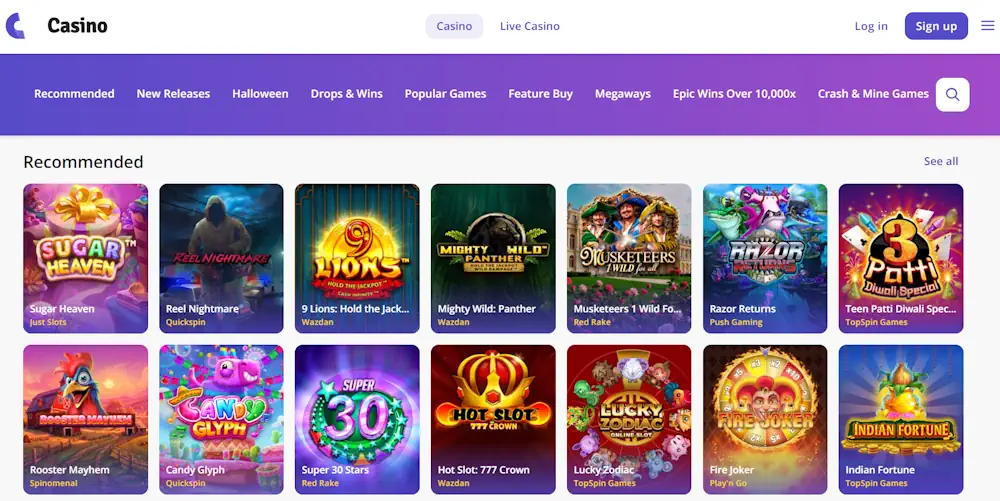
My key advice? Start with a niche. Trying to compete directly with giant international brands is a recipe for failure. I've watched startups succeed by focusing on a single game type or a specific regional promotion. Your marketing budget will be your largest ongoing expense, often 30-40% of GGR.
Secure your license first, then partner with a reliable B2B platform to manage the tech burden. Hire local support agents who speak the language fluently. The most common fatal mistake is undercapitalization; you need at least $500,000 USD in operating runway beyond the license fees. Growth is slow. Patience and player retention are everything.
FAQ
What is the most important document for an online casino's legitimacy?
The RNG certification report from an independent lab like iTech Labs or GLI is the most scrutinized document. It forms the absolute foundation of player trust and is required by regulators.
How much does a PAGCOR online license cost to apply for?
The non-refundable application fee is ₱5 Million Philippine Pesos (approx. $90,000 USD). This is separate from the ₱100 Million minimum paid-up capital requirement.
Which game provider is best for the Philippine market?
JILI has the strongest cultural resonance for slots. I recommend a blend: 50% JILI for core appeal, 30% Pragmatic Play for premium quality, and 20% BGaming for innovative features.
What's the standard payment model for a B2B casino platform?
Most B2B deals operate on a revenue share model. The platform provider typically takes 25-40% of the operator's Gross Gaming Revenue (GGR). This avoids massive upfront setup fees.
Why is live chat response time so critical?
Slow support directly erodes player trust, especially during withdrawals. I've seen operators lose 15% of their VIPs due to consistently slow response times. Tools like LiveChat Inc can reduce average resolution to 5 minutes.
How much startup capital is realistically needed?
Beyond the license fees, you need significant operating runway. The most common fatal mistake is undercapitalization; I recommend at least $500,000 USD in available funds after securing the license.